
Reducing food waste at home is a simple yet impactful way to save money, help the environment, and make the most of the food you buy. Each year, a significant amount of perfectly good food ends up in the trash, contributing to landfill waste and unnecessary resource use. Fortunately, there are many practical steps you can take to minimize food waste without changing your lifestyle drastically. This post will guide you through some of the most effective ways to reduce food waste in your kitchen and beyond.
Understanding Food Waste
Food waste happens when edible items are discarded, spoiled, or unused. It can occur at various stages including shopping, meal preparation, and storage. By being mindful and organized, you can greatly reduce the amount of food that goes to waste.
—
1. Plan Your Meals and Shop Smartly
One of the biggest causes of food waste is buying more than needed. Planning ahead helps prevent impulse purchases and ensures you use everything before it spoils.
Tips for Smart Shopping:
– Make a weekly meal plan and write a detailed shopping list.
– Check your pantry and fridge before you shop to avoid duplicates.
– Buy loose fruits and vegetables instead of pre-packaged to purchase only what you need.
– Choose smaller portions if you live alone or don’t cook large quantities.
– Avoid shopping while hungry to reduce impulse buys.
—
2. Store Food Properly
Proper food storage extends the life of your groceries and keeps them fresher longer.
Storage Tips:
– Keep fruits and vegetables in the right place; some do better in the fridge, others on the counter.
– Use clear containers to store leftovers so you can easily see what’s inside.
– Label leftovers with the date to track freshness.
– Store herbs like parsley and cilantro in a glass of water in the fridge, covered with a plastic bag.
– Avoid washing berries and mushrooms before storing; wash them just before eating.
—
3. Use Leftovers Creatively
Leftovers are often overlooked but can be turned into delicious new meals.
Ideas for Using Leftovers:
– Turn cooked vegetables into soups or frittatas.
– Use stale bread to make croutons or bread pudding.
– Combine leftover rice or grains with vegetables and protein for stir-fries or salads.
– Freeze leftovers in portion-sized containers for future meals.
– Make vegetable stock from scraps like onion skins, carrot ends, and celery.
—
4. Understand Expiration Labels
“Sell by,” “best before,” and “use by” dates can be confusing. Knowing what they really mean helps you avoid tossing food unnecessarily.
– “Sell by” tells the store how long to display the product.
– “Best before” indicates peak quality but isn’t a safety date.
– “Use by” is the last date recommended for use while at peak quality, especially for perishable items.
If food looks, smells, and tastes fine, it’s usually safe to consume after the “best before” date.
—
5. Practice Portion Control
Cooking or serving more than you can eat leads to leftovers that might be forgotten or wasted.
How to Control Portions:
– Use smaller plates to encourage reasonable serving sizes.
– Serve food in courses instead of all at once.
– Be mindful when cooking; start with smaller amounts and add as needed.
– Store any uneaten food promptly to enjoy later.
—
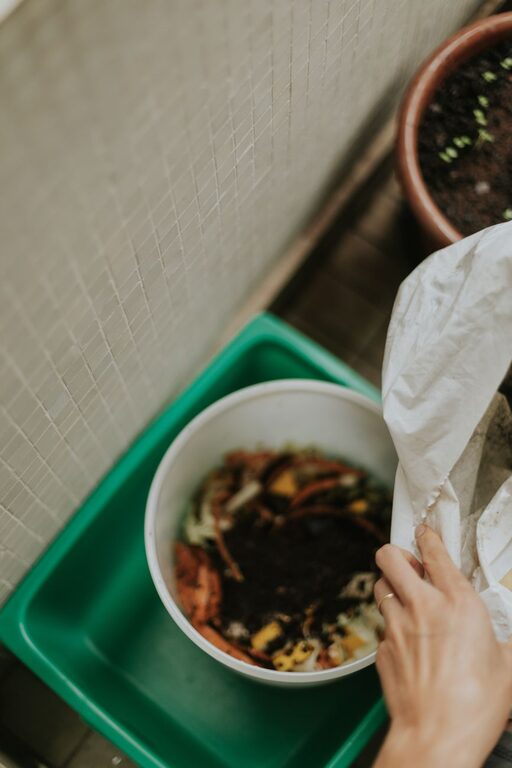
6. Compost Food Scraps
Even with best efforts, some food waste is unavoidable. Composting is a great way to reduce the impact by turning scraps into nutrient-rich soil for your garden.
Composting Basics:
– Collect fruit and vegetable peels, coffee grounds, eggshells, and other organic waste.
– Avoid meat, dairy, or oily foods that attract pests.
– Use a compost bin or pile in your backyard.
– Turn the compost regularly to speed decomposition.
If you don’t have space, many communities offer compost drop-off locations.
—
7. Donate Surplus Food
If you have food that you won’t use in time but is still good, consider donating it.
– Many local food banks and shelters accept unopened, non-perishable items.
– Some organizations also accept fresh produce or homemade meals under certain conditions.
– Sharing food with neighbors, friends, or community groups can reduce waste and build connections.
—
8. Educate and Involve Your Household
Reducing food waste is easier when everyone at home is on board.
– Share these tips with family members or roommates.
– Encourage kids to help with meal planning and food storage.
– Create a habit of checking the fridge before shopping.
– Celebrate small wins and learn from any waste.
—
Final Thoughts
Reducing food waste at home is not only good for your wallet but also for the planet. By planning meals, storing food properly, using leftovers, understanding labels, controlling portions, composting, donating, and involving your household, you can make a noticeable difference. Start with small changes and build habits that fit your routine. Every bit of food saved is a step towards a more sustainable, waste-free home.
—
By adopting these practical strategies, you’ll enjoy fresher food, save money, and contribute to reducing overall food waste. Try implementing one or two tips this week and see how easy it is to make a positive change in your kitchen.
